A significant investment. A key person to hire or let go. Entering a new market. An acquisition. A change in pricing.
These may be only a handful of decisions, but they can shape the future of a company.
And yet, they are often addressed at the end of a day already consumed by operational issues, approvals, meetings and dozens of choices that could have been handled elsewhere.
McKinsey found that managers spend around 37% of their time on decision-making, and that 61% believe at least half of that time is used ineffectively.
The most important cost, however, is not time. It is the quality of judgment the leader brings to the decisions that cannot be delegated.
1. Not All Decisions Deserve the Same Amount of Energy
Decision fatigue describes the deterioration in decision-making effectiveness after a prolonged sequence of complex or demanding choices.
More recent research suggests that the phenomenon is not simply the result of a “mental battery” running down, but rather a combination of factors: workload, decision frequency, complexity, responsibility, uncertainty and organizational context.
For an executive, the practical implication is simple:
if too many decisions reach the top, the top becomes the organization’s bottleneck.
Approving minor expenses, resolving operational issues or constantly stepping into decisions that could be delegated means using high-level attention on matters that do not require it.
The risk is reaching strategic decisions with less clarity than they deserve.
2. Isolation at the Top Amplifies the Problem
Being surrounded by capable people does not necessarily mean having someone with whom you can think completely freely.
The CFO, sales director, business partners, board members and consultants can all provide valuable input.
But each of them views the issue from a position shaped by their own responsibilities, interests, incentives or consequences.
A CEO may therefore have many people to talk to.
Far more rarely does the CEO have truly independent sounding boards.
This is where decision fatigue can intersect with cognitive biases: confirmation bias, sunk-cost bias and overconfidence in past experience.
The problem is not a lack of expertise. It is the lack of someone competent enough to understand the problem and independent enough to challenge the reasoning.
3. The Real Solution Is Better Decision Architecture
The point is not simply to make fewer decisions. It is to make decisions at the right level.
A leader should periodically ask:
- Which decisions do I need to make personally?
- Which ones can I delegate?
- Which ones can be turned into procedures or predefined criteria?
- And which decisions, precisely because they are strategic, should be stress-tested before they are made?
The first three questions reduce noise. The fourth protects the quality of the most important decisions.
And this leads to a crucial question:
who challenges the CEO’s thinking when the decision can only be made by the CEO?
The Role of Peer Advisory Boards
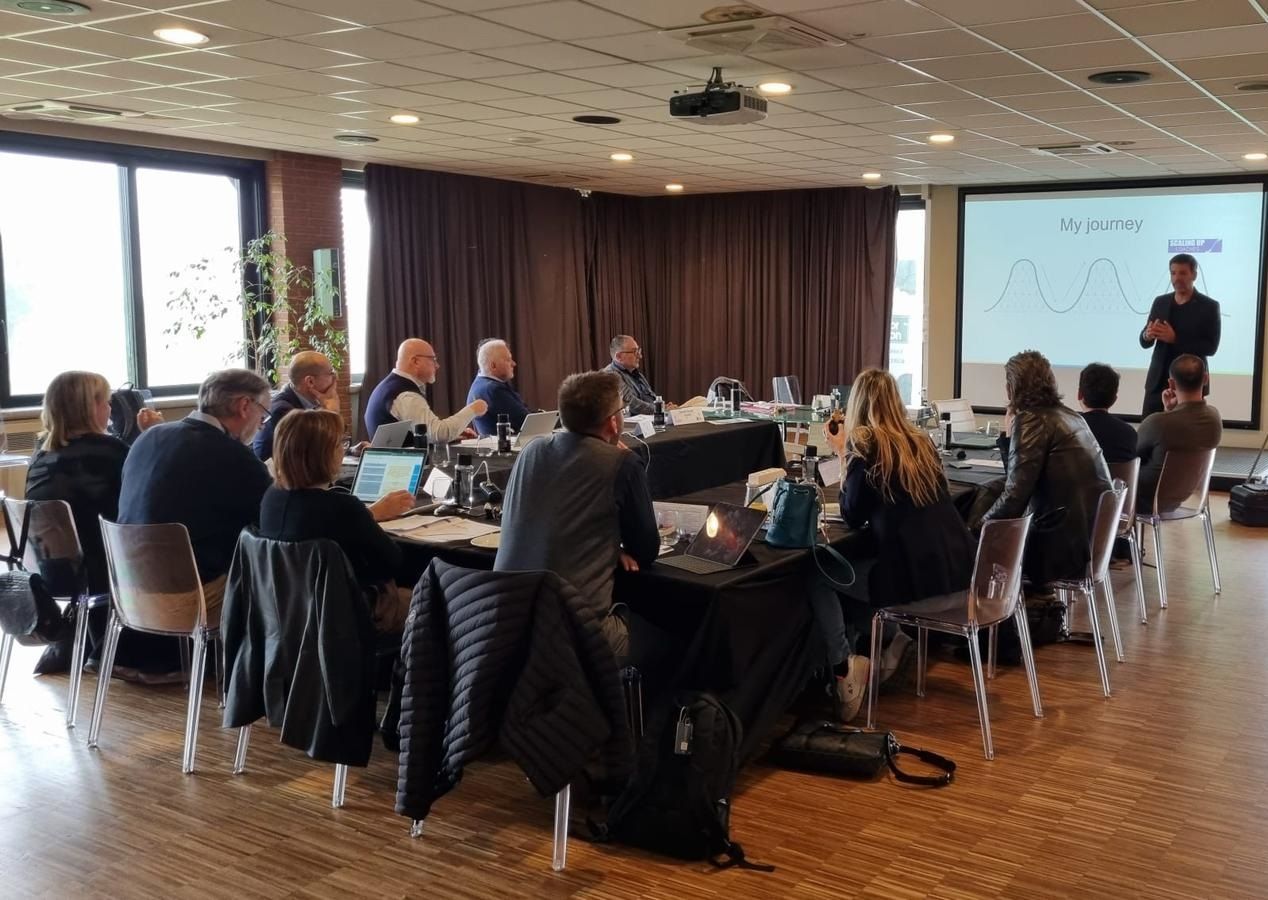
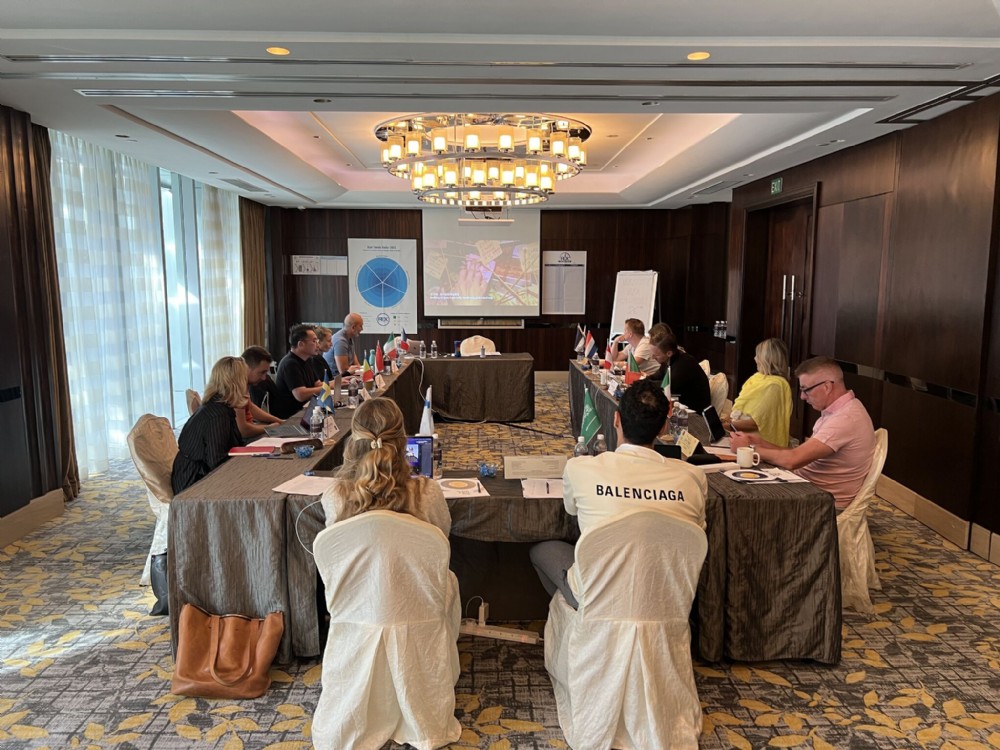
A Peer Advisory Board brings together a small group of entrepreneurs, CEOs and C-level executives in a confidential, structured environment.
Its value does not lie in making decisions on behalf of the leader. It lies in exposing the leader’s reasoning to independent perspectives.
A peer might ask:
- Which assumption are you treating as certain without having validated it?
- Are you continuing this project because it still makes sense, or because you have already invested too much to stop?
- What risk might you be failing to see?
Questions like these do not reduce the CEO’s responsibility. They make the decision more robust.
Because the advantage of a Peer Advisory Board is not having more people making the decision, but having more perspectives before the decision is made.
The responsibility remains with the leader.
Decision-making isolation, however, does not necessarily have to remain with them.
Would you like to join a REX Peer Advisory Board?
Complete the Information Request form below or email us at rex.emea@rexcommunity.com



Log in